Sports and Leisure
Engaging in sports and leisure activities is fundamental to a balanced lifestyle, yet the landscape of modern recreation can be overwhelming. From navigating the unpredictable British weather during outdoor excursions to deciphering complex health data from a smartwatch, the challenge often lies not in the activity itself, but in the preparation and understanding surrounding it.
Whether you are a seasoned athlete looking to optimise recovery after forty, a couple seeking to reconnect through shared interests, or a beginner trying to understand why your waterproof jacket failed during a downpour in the Highlands, this resource aims to provide clarity. We explore the technical, physiological, and social aspects of leisure to help you make informed decisions.
Mastering the Great British Outdoors
Participating in outdoor activities in the UK requires a specific approach to equipment and planning. The difference between a memorable expedition and a miserable experience often comes down to understanding the limitations of your gear and reading the environment correctly.
Waterproofing and Garment Maintenance
A common misconception is that waterproof gear remains impermeable indefinitely. In reality, the efficacy of jackets relies heavily on the Durable Water Repellent (DWR) coating. When this fails, the outer fabric absorbs water—a process known as ‘wetting out’—which kills breathability and causes condensation to build up inside, making you feel wet despite the membrane being intact. Understanding how to clean and reproof gear, such as Gore-Tex, is essential for longevity.
Furthermore, selecting the right gear for specific environments like the Scottish Highlands involves balancing hydrostatic head ratings (waterproofness) with breathability. Budget-friendly options exist, but one must know which features, such as taped seams and adjustable cuffs, are non-negotiable for heavy downpours.
Footwear: Stability vs. Agility
The debate between traditional hiking boots and modern trail runners is nuanced, particularly for terrain like the muddy Cotswolds or the rocky peaks of Wales. Your choice should depend on load and biomechanics:
- Hiking Boots: Offer superior ankle support and protection against deep mud, making them ideal for multi-day treks with heavy packs.
- Trail Runners: Provide agility and quick drainage, preferred by those moving fast with light loads, though they offer less protection against twisting on uneven ground.
Safety and Logistics in Variable Weather
Planning a summit attempt or a camping trip in Wales requires more than just a date on the calendar. Safe progression relies on recognising weather signals. Monitoring barometric pressure trends, cloud ceilings, and wind speed at elevation—not just at the trailhead—is critical. Additionally, packing errors, such as forgetting distinct dry layers for sleeping, are the primary cause of abandoned camping trips.
Sustainable Fitness and Physiology
As we age, particularly past the age of forty, the focus of training must shift from pure intensity to sustainability and injury prevention. The goal is to build muscle and cardiovascular health without accumulating chronic joint pain.
Hypertrophy and Strength After 40
Gaining muscle later in life is entirely possible but requires smarter stimulus. The key is progressive overload without excessive joint strain. For many, especially busy parents, the choice between a gym membership and a home dumbbell setup comes down to consistency. Dumbbells can be more cost-effective and time-efficient, allowing for adequate stimulation of muscle fibers without the commute, provided the intensity is sufficient.
Recovery and Biomechanics
Pain during exercises like squats often signals poor mechanics or mobility issues rather than ‘bad knees’. Addressing ankle mobility and hip stability is usually the fix. Furthermore, recovery nutrition is paramount. While protein shakes offer convenience, whole foods provide a matrix of micronutrients that aid in reducing inflammation. The decision between the two should be based on digestive tolerance and the timing of your next meal.
Hormonal cycles also play a role; understanding when testosterone levels peak naturally (typically morning) can help in scheduling heavy resistance training for maximum output, whereas evenings might be better suited for endurance or flexibility work.
Interpreting Wearable Technology
The rise of smartwatches has democratised sports science, but data without context can lead to anxiety rather than improvement. Whether you choose a lifestyle-focused device like an Apple Watch or a performance-centric Garmin depends on your primary goal: smart integration or battery life and raw metrics.
Metrics That Matter vs. Noise
Not all data points are created equal. Obsessing over real-time stats can actually slow a runner down by disrupting their natural flow and proprioception. Instead, focus on macro-trends:
- Sleep Architecture: Distinguishing between Deep Sleep (physical restoration) and REM (mental restoration) is vital for gauging energy levels.
- Heart Rate Zones: Many runners train too fast on their ‘easy’ runs. Trusting the watch to keep you in Zone 2 builds the aerobic base necessary for marathon times.
- Stress Tracking: Constant notifications can spike cortisol levels, negating the stress-relief benefits of exercise. Managing these settings is a crucial part of digital wellness.
Hardware Considerations
Practical usability is often overlooked. For example, ‘watch rash’ is a common complaint caused by trapped sweat under silicone straps. Switching to breathable nylon loops can prevent skin irritation during long training blocks.
The Social Dynamics of Leisure
Hobbies play a significant role in relationship health. They can be a source of bonding or a source of conflict, depending on how they are managed.
Shared Activities and Conflict Resolution
Choosing a hobby as a couple requires finding a ‘flow state’ together. Activities like salsa dancing require non-verbal communication and cooperation, which can actively reduce relationship conflict. Conversely, competitive sports like tennis might exacerbate tension if skill gaps are wide. Outdoor pursuits, such as muddy hikes in the Peak District, often bond couples faster than formal dates because shared adversity releases oxytocin and creates lasting memories.
Balancing Individual Interests
It is healthy for partners to have separate interests, but logistics must be managed to avoid resentment. The ‘weekend warrior’ approach—disappearing for six hours to play golf every Saturday—can strain domestic life. Successful planning involves:
- Scheduling ‘Us Time’: A ritual, such as a Sunday night calendar review, ensures that individual hobbies don’t cannibalise relationship time.
- Respecting Disinterest: Forcing a partner to enjoy a specific hobby usually backfires. It is often better to plan logistical surprises, like a weekend in Cornwall, that cater to shared tastes rather than trying to convert a partner to a niche interest.
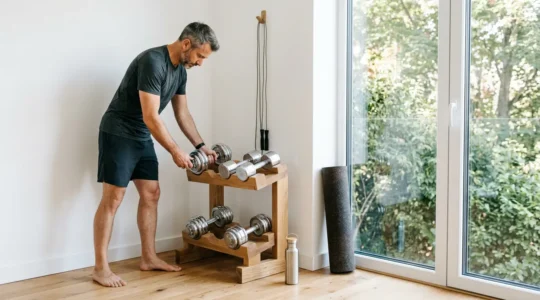
How Can Men Over 40 Build Muscle Without Spending Hours in the Gym?
The secret to building muscle after 40 isn’t training harder; it’s training smarter by creating a powerful anabolic environment outside the gym. Time-efficiency is your greatest asset. Short, intense workouts at home are often more effective than long, inconsistent gym…
Lire la suite
Apple Watch or Garmin: Which Tracker Actually Improves Marathon Times?
The decisive factor in your marathon performance isn’t the brand of your watch, but your mastery of its second-order data streams. Your watch’s default heart rate zones are likely sabotaging your easy runs; accuracy comes from manual LTHR or HRR…
Lire la suite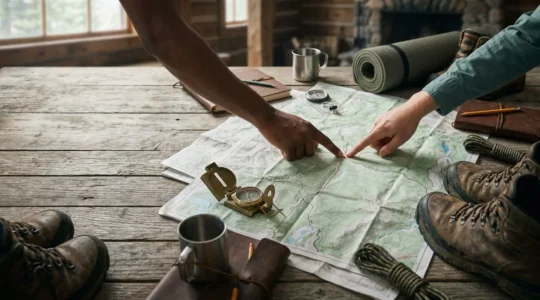
How to Choose a Couple’s Hobby That You Both Actually Enjoy?
The key to a great couple’s hobby isn’t finding something you both already like, but engineering a shared experience that creates positive « bonding friction. » Challenging activities that require teamwork (often called « Type 2 Fun ») build more trust and connection than…
Lire la suite
How to Select Waterproof Gear That Survives the Scottish Highlands Without Breaking the Bank?
The secret to staying dry in the unpredictable UK hills isn’t a single expensive jacket, but a smart, layered moisture management system. Your ‘waterproof’ gear likely fails due to degraded water repellency (DWR), not a faulty membrane, causing it to…
Lire la suiteTake your boyfriend on a romantic bicycle trip
If you’re looking for an idea for a romantic getaway with your partner, why not consider a cycling trip? Cycle touring is becoming increasingly popular, offering a unique opportunity to spend quality time together while exploring new places. Here we…
Lire la suiteHow to improve yourself ?
There’s a question that often preoccupies many people: how can we improve ourselves ? Whether on a personal, professional or emotional level, it’s natural to want to evolve and develop. However, it can sometimes be difficult to know where to…
Lire la suite